Drainage service
Pipe Relining
Repair from within. A flexible resin liner repairs damaged drain pipes from the inside — less digging and less disruption, where the pipe is suitable.
- Available 24/7
- Quote before work
- 60-minute response in Kent
What is pipe relining?
A new pipe surface, inside the old one.
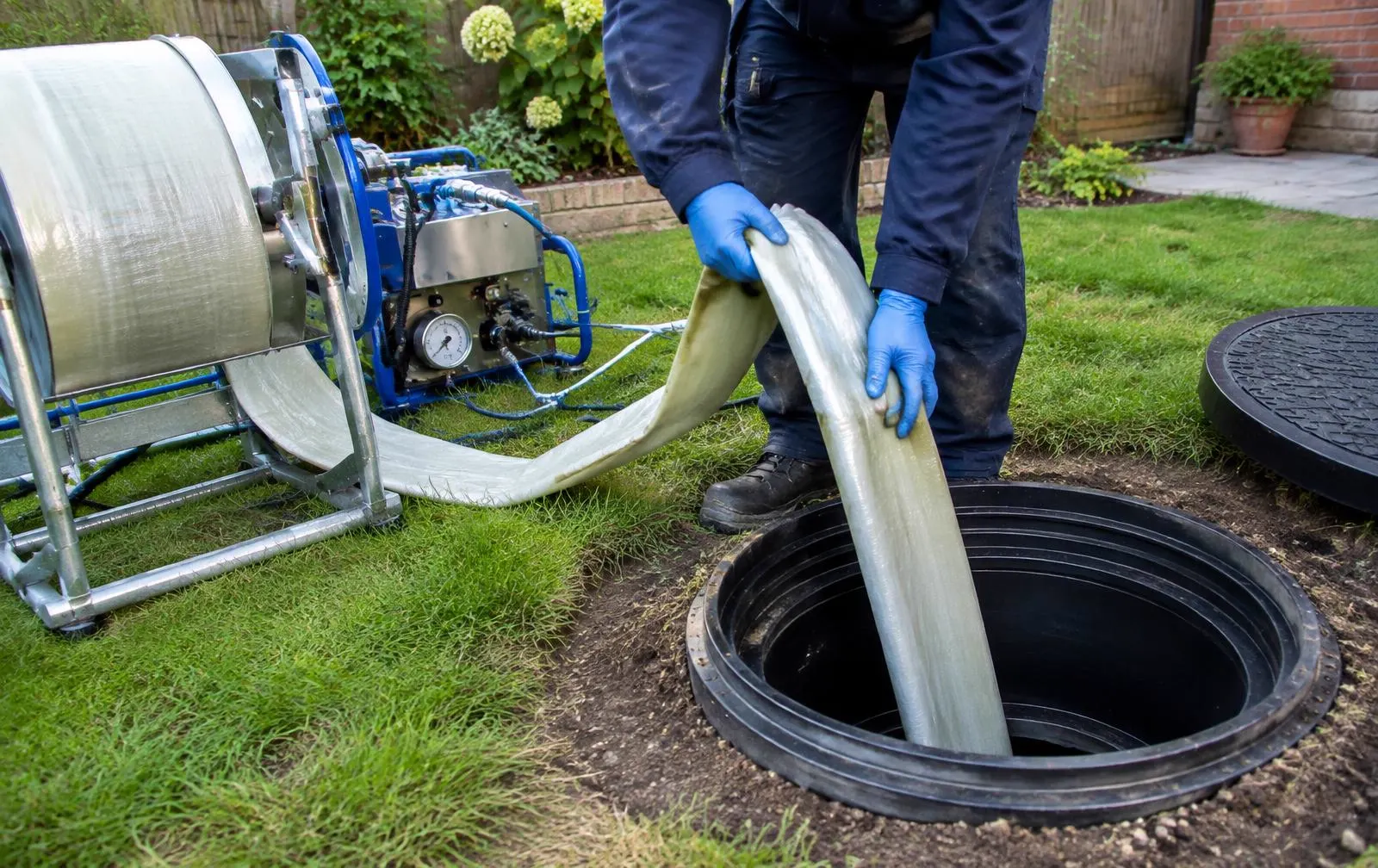
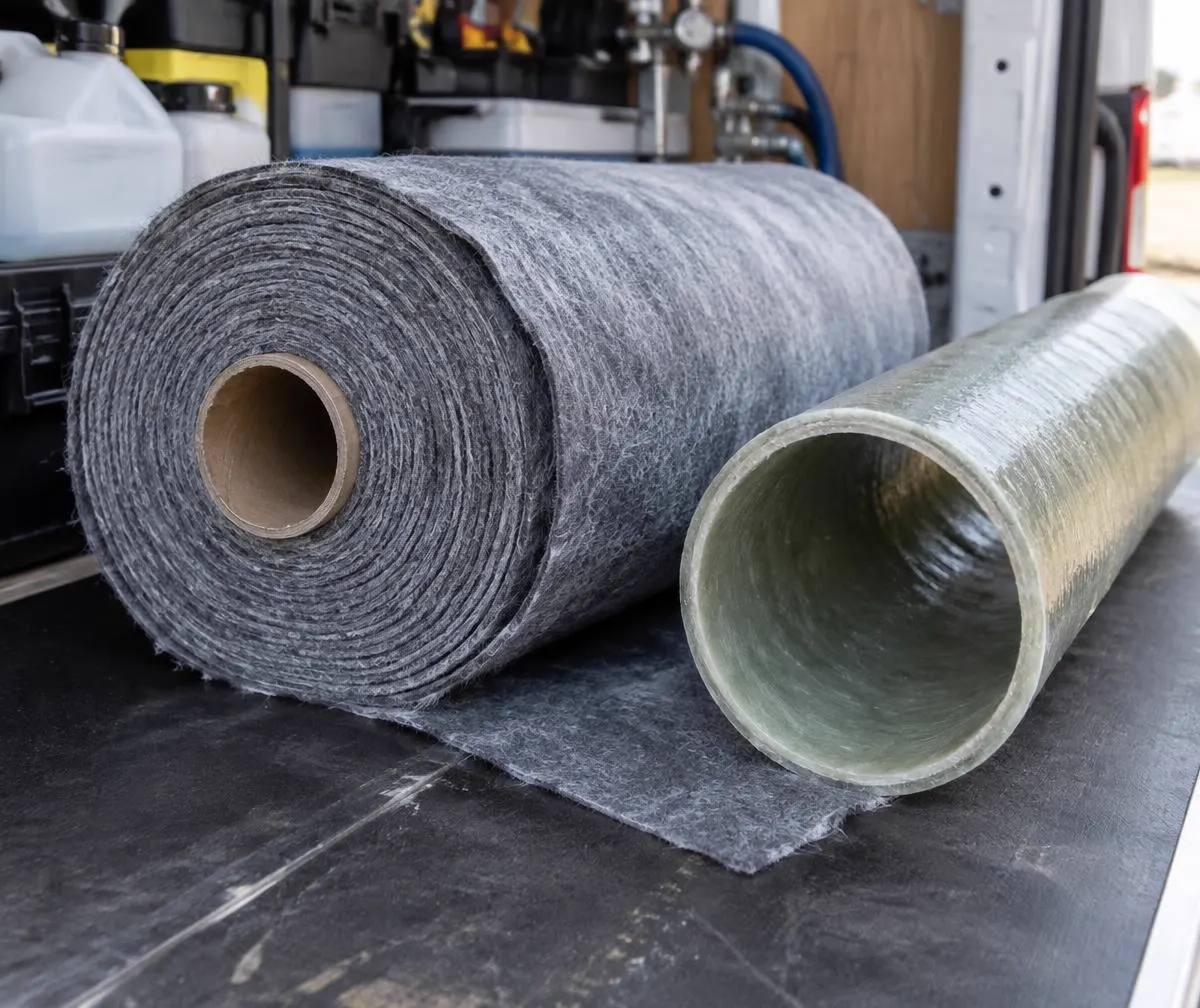
A flexible liner soaked in resin is inserted into the existing pipe through an access point. Once in place it is pressed against the pipe wall and left to harden.
The result is a smooth, seamless lining that seals cracks and gaps from the inside — without opening up the ground along the drain run.
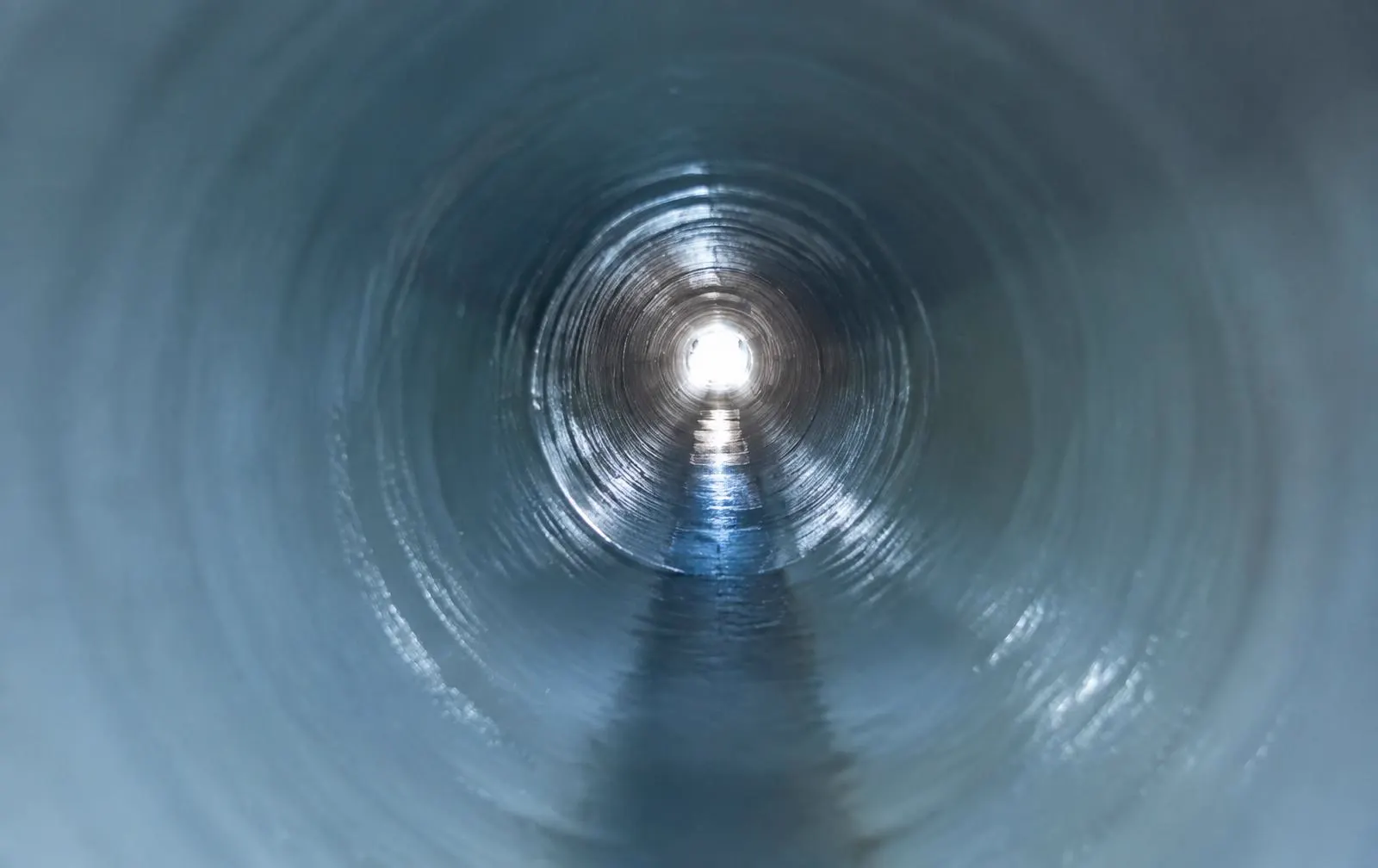
Less digging. Less disruption.
Lawns, patios and driveways can often stay as they are.
Why consider relining?
The case for repairing from the inside.
Reduced excavation
Work is carried out through existing access points where possible.
Less disruption
A cleaner, quicker job with less mess around the property.
Seals internal damage
Covers cracks and open joints along the lined section.
Restores the flow
A smooth internal surface for waste to run along.
Relining is an alternative to excavation in suitable situations — not in every case.
Is the drain suitable?
Inspect first. Then decide.
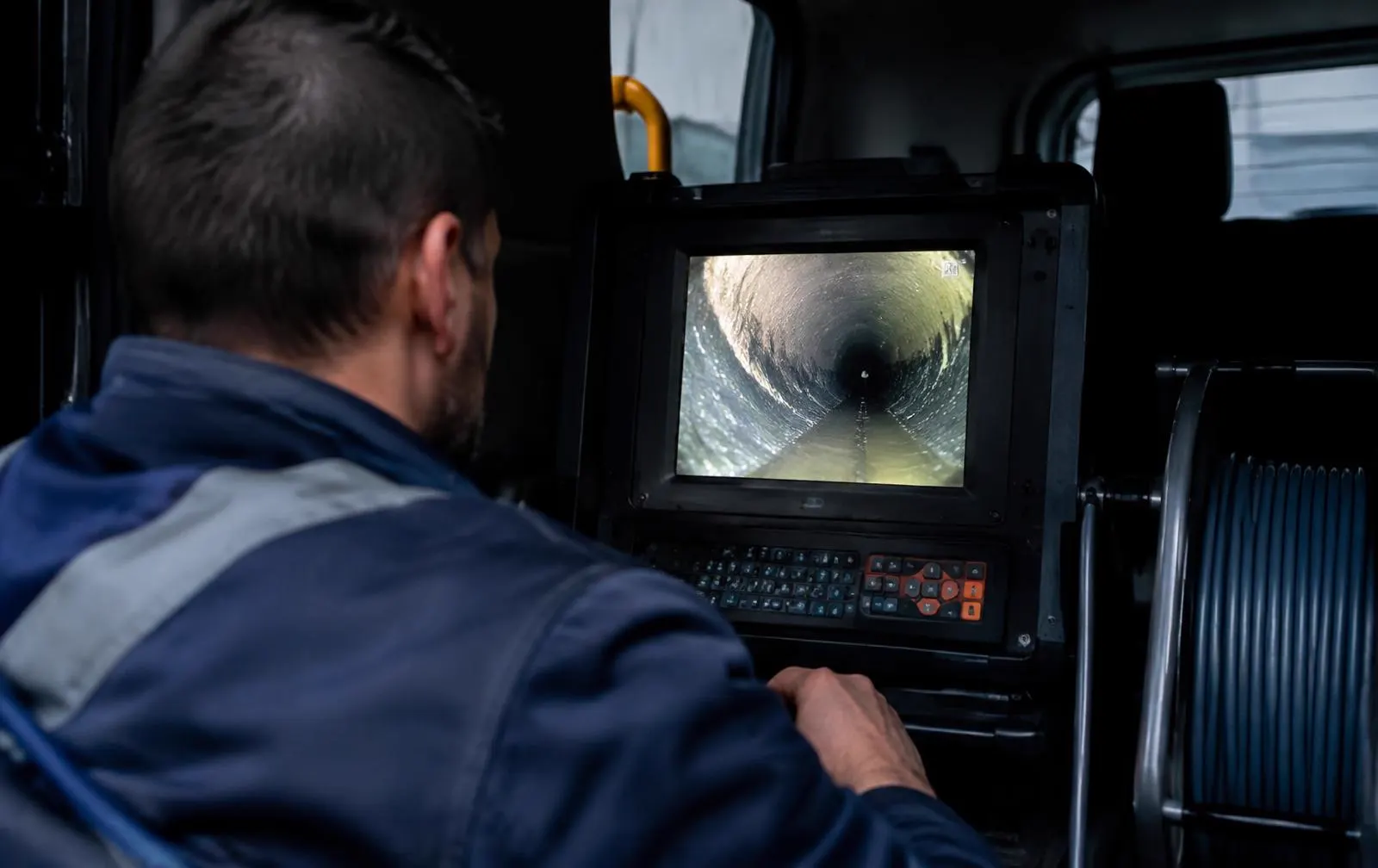
Relining only works if the pipe is in a fit state to be lined. A CCTV inspection shows the type and extent of the damage before anything is recommended.
If a section has badly collapsed, for example, a different repair may be needed.
How it works
How pipe relining works.
- 01
Inspect
A camera survey confirms the damage and whether relining suits it.
- 02
Prepare and clean
The pipe is cleaned so the liner can bond to the wall.
- 03
Install the liner
The resin liner is inserted and pressed into place.
- 04
Cure and check
Once the resin has hardened, the drain is checked and flow tested.
On site
Fed in through the access point.
The liner goes in through an existing inspection chamber, keeping the work contained around the access point rather than along the whole drain.
What it can address
Problems relining may help with.
Cracks and fractures
Sealed by the new lining.
Open or leaking joints
Bridged so waste and water stay inside the pipe.
Damage after root removal
Covering the defects roots got in through.
General wear
Older pipework with worn internal surfaces, where suitable.
Relining vs excavation
Two ways to repair. Neither is always right.
The pipe’s condition decides which approach makes sense. We explain both where relevant.
- 01
Pipe relining
Repairs the pipe from the inside with minimal digging.
Pipes with suitable damage
- 02
Excavation and replacement
The damaged section is dug out and replaced with new pipework.
Collapsed or unsuitable sections
The Fedurco approach
Why Fedurco?
01
Suitability checked
We only recommend relining when the inspection supports it.
02
Clear options
If relining isn’t right, we explain the alternatives and the quote.
03
Tidy work
Clean-up and a final flow test are part of the job.
Reviews
What customers have said
“Yan is absolutely fabulous. Don’t call anyone else. He is amazing.”
“Came on the same day as I called Jan out, fixed my issue within minutes for a extremely reasonable rate. Gave advice on how to stop it happening again.”
Areas we cover
Pipe relining across Kent, South-East London & Medway
Help for homes and businesses across the area. The 60-minute emergency response applies in Kent.
Related services
Related repair services.
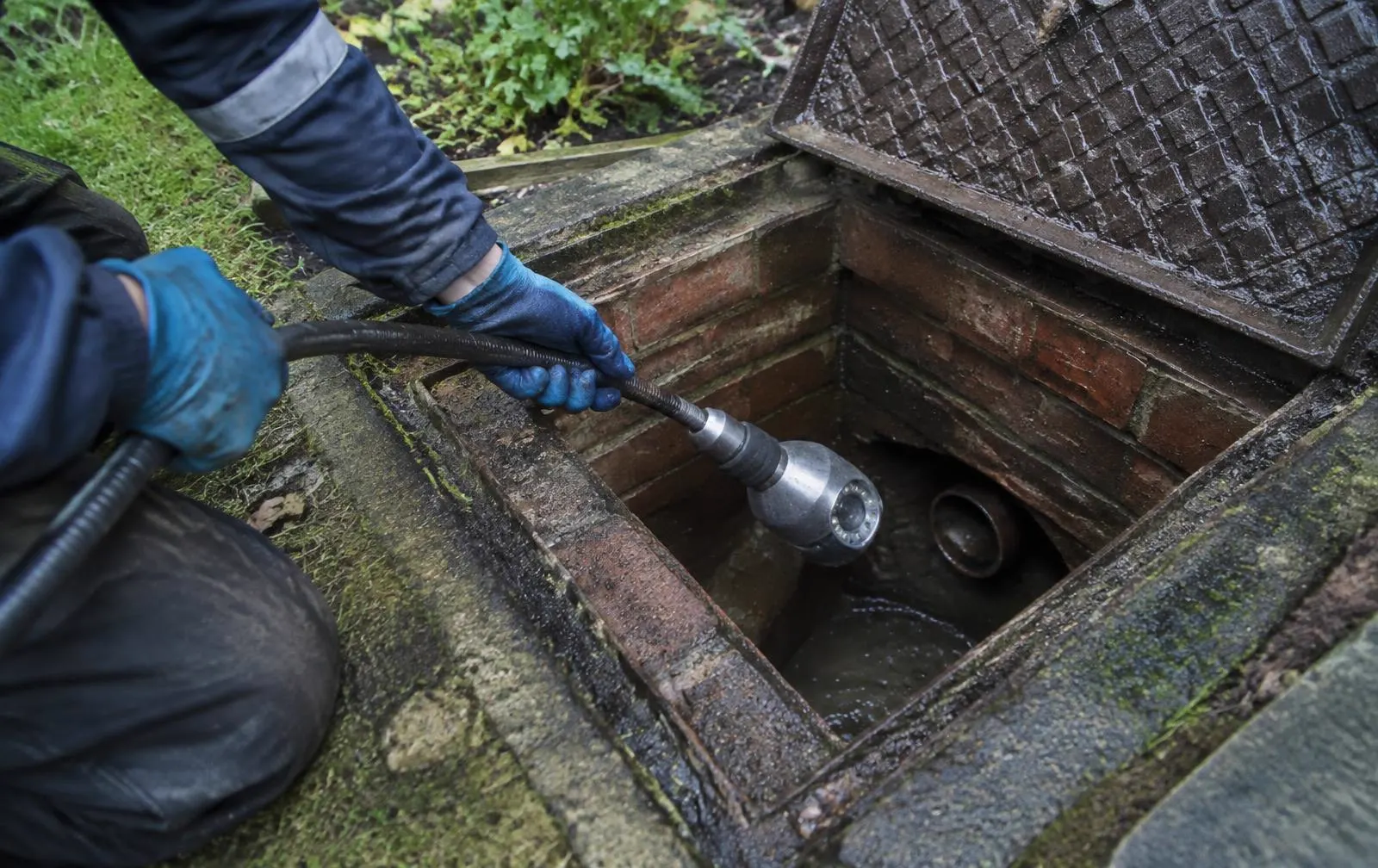
CCTV Drain Surveys
Checking whether the pipe is suitable for relining.
Explore Service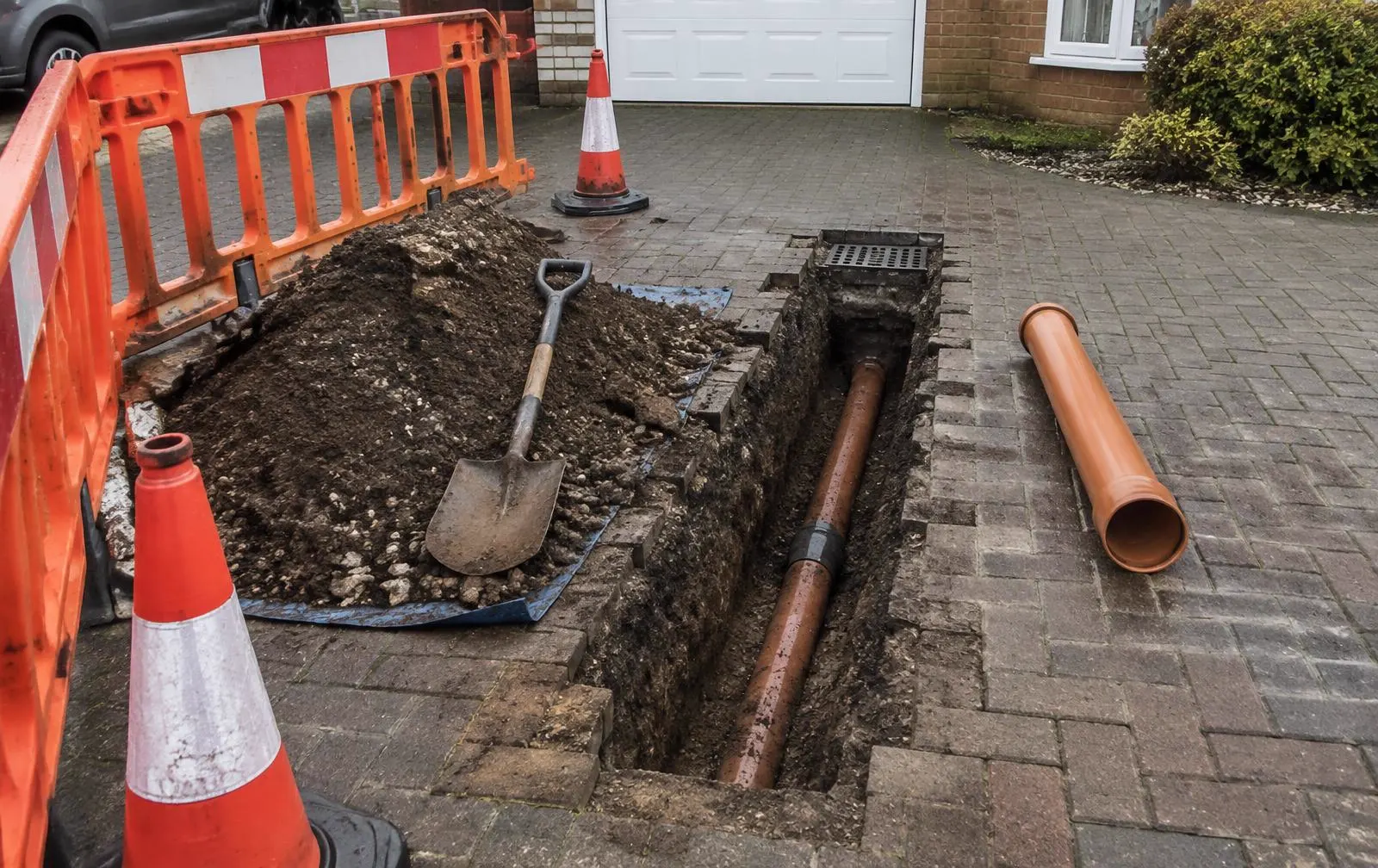
Drain Repairs
Other repair options for damaged pipework.
Explore Service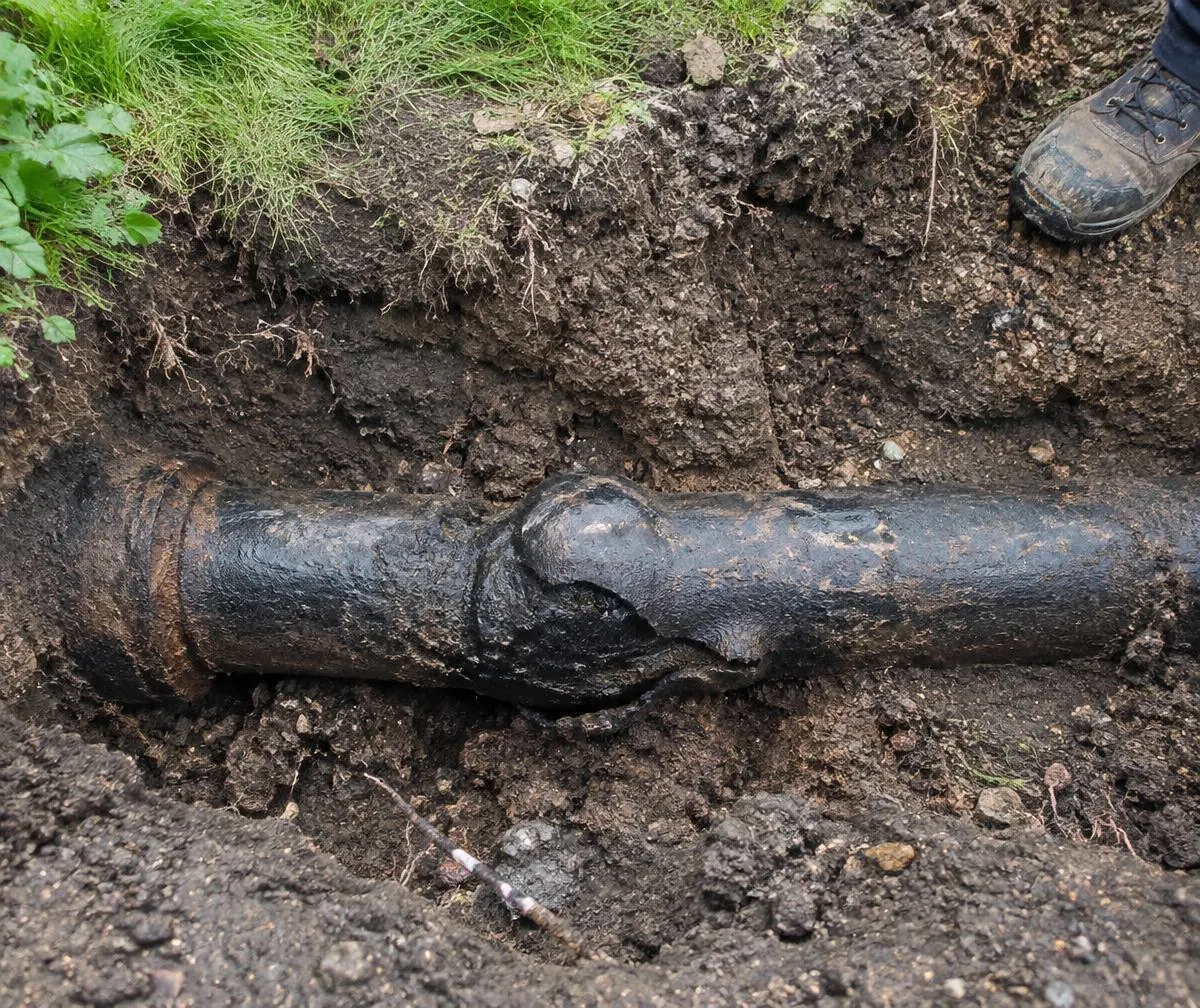
Pitch Fibre Pipe Repair
Repair or replacement of pitch fibre drains.
Explore Service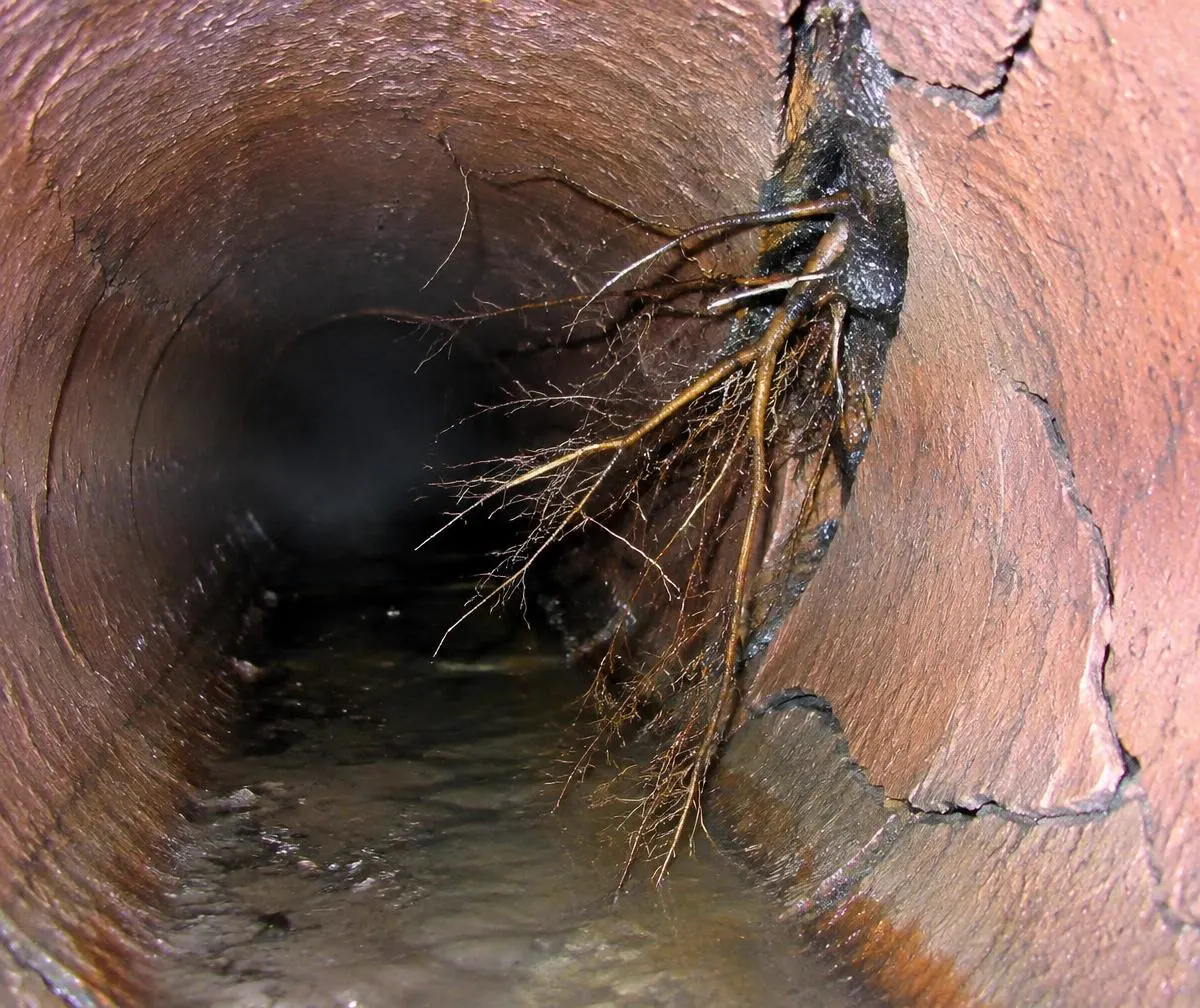
Root Blockages
Removing roots before sealing the defect.
Explore Service
Common questions
Pipe relining questions.
Get a quote
Ask about pipe relining.
We already know it’s about relining — just add your postcode and details. For anything urgent, calling is fastest.
Available 24/7
Damaged drain pipe?
Find out whether it can be repaired from within.