Problem guide
Drain Keeps Blocking?
If the same drain keeps blocking — weeks or months after it was last cleared — something in the system is probably causing it. Clearing it again may only be treating the symptom.
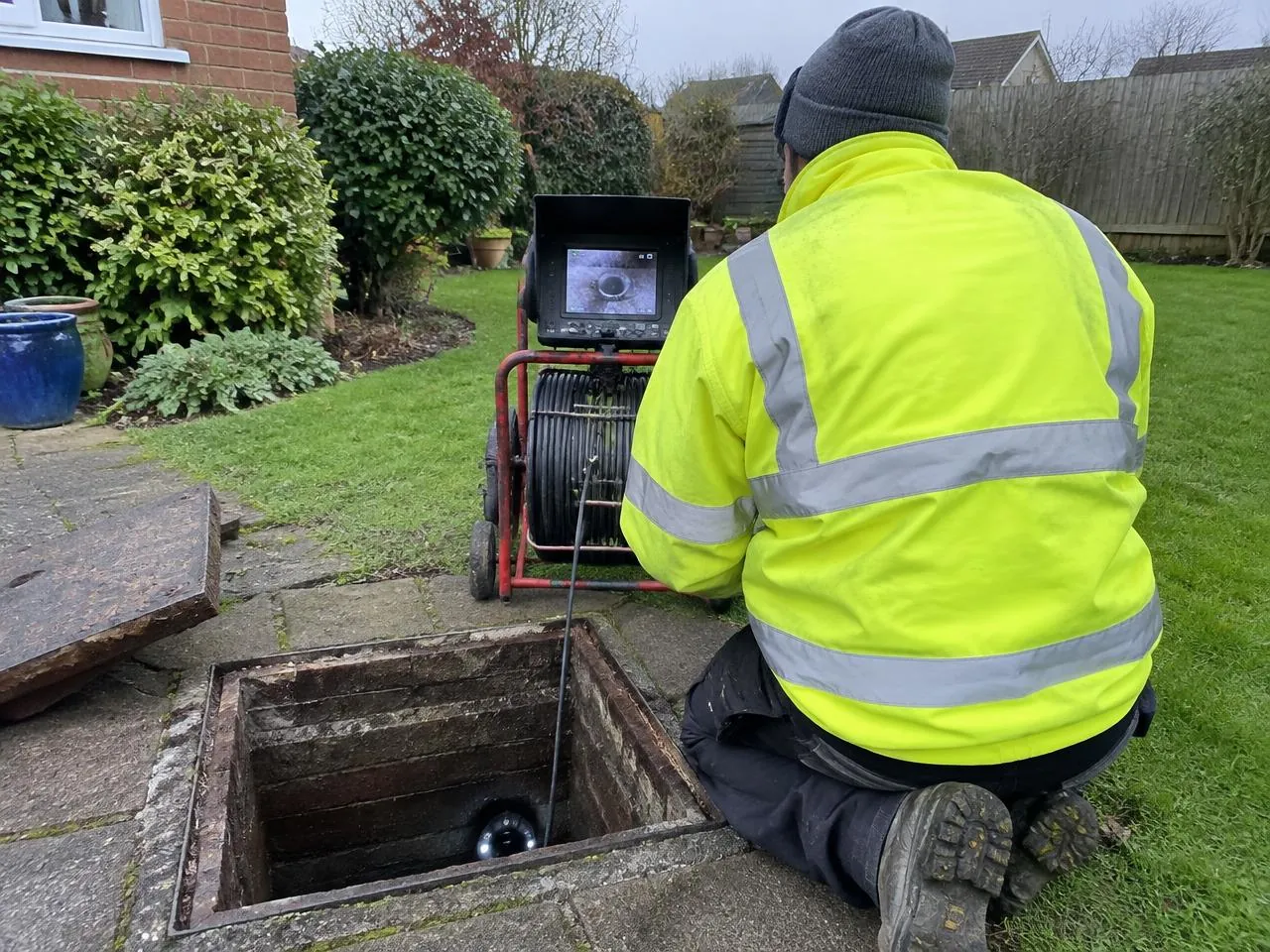
Recurring blockages
Why does it keep coming back?
A blockage that returns usually has a cause that is still there.
Clearing removes the material blocking the pipe — but not necessarily whatever made it collect in the first place. These are some of the possibilities:
- Persistent build-up
- Root ingress
- Damaged pipework
- Displaced joints
- Structural defects
- Other restrictions
Which of these — if any — applies can only be confirmed by looking inside the pipe.
Where further investigation may lead
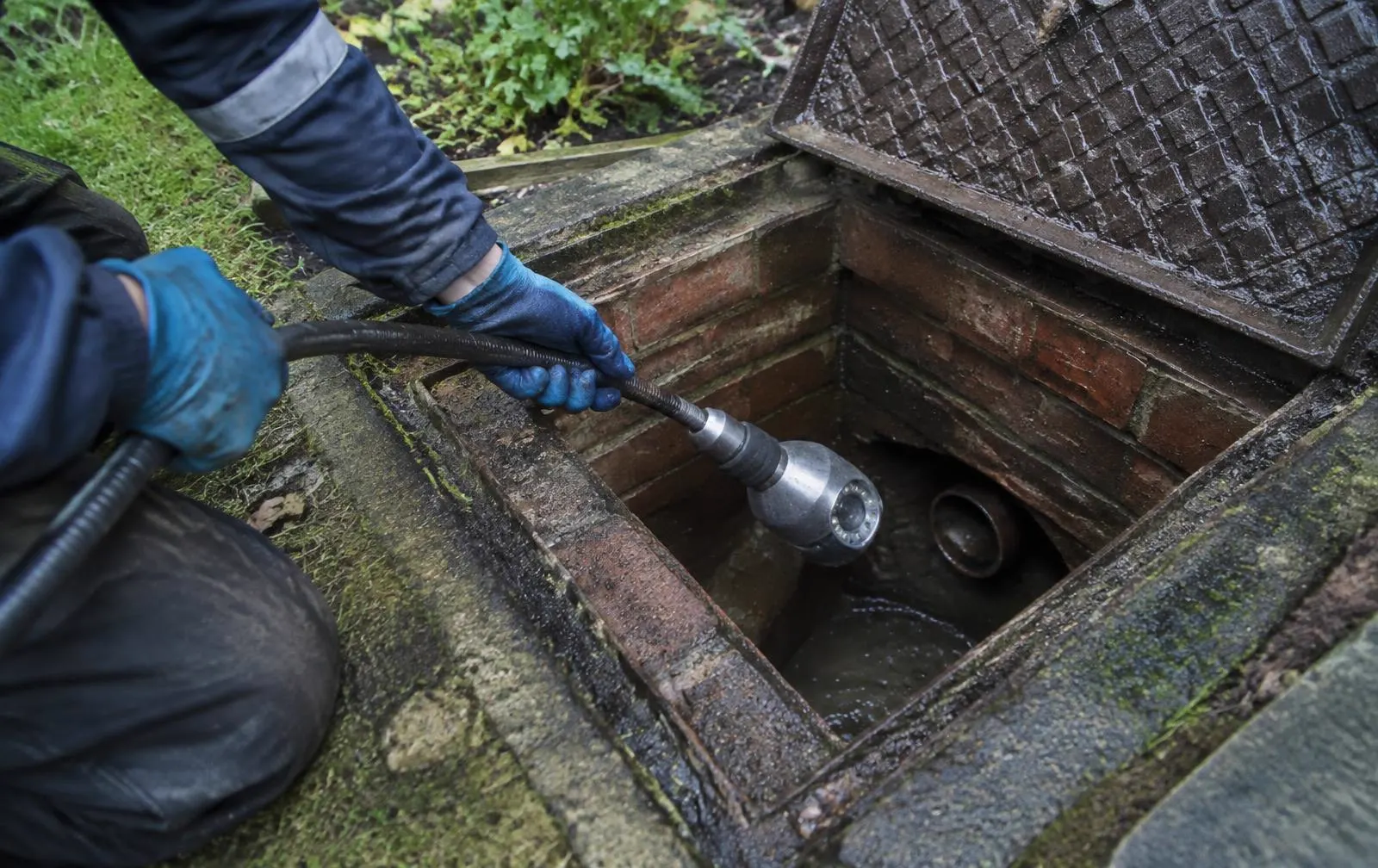
Clearing restores flow. Diagnosing explains why it stopped.
Both matter — but if blockages keep returning, the second one is usually what is missing.
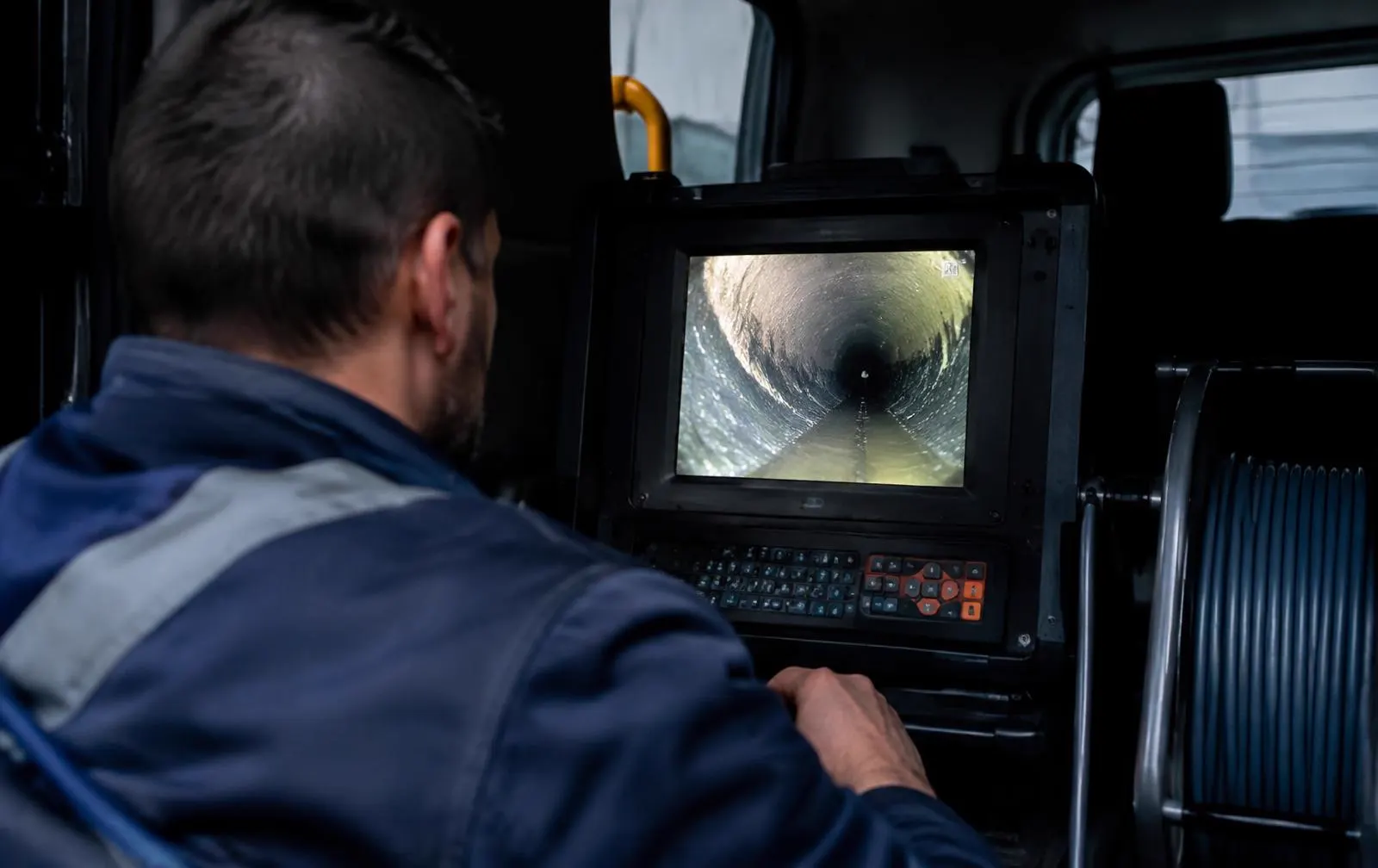
When CCTV inspection may help
See the inside of the pipe
A CCTV survey sends a camera through the drain so the inside of the pipe can be seen directly — build-up, roots, cracks, displaced joints or collapsed sections.
For a drain that keeps blocking, that evidence is what turns repeated call-outs into one planned fix. It also means you are not paying for a repair that does not address the real cause.
What happens next
The fix depends on what is found
Every outcome is based on what the inspection actually shows — not on symptoms alone.
- 01
If it is build-up
Grease, scale or silt narrowing the pipe can usually be removed with high-pressure jetting, which cleans the full bore rather than just punching through.
Grease · scale · silt
- 02
If roots have entered
Roots can be cut back and removed — but they usually got in through a defect, so the pipe itself may also need attention.
Root ingress
- 03
If the pipe is damaged
Suitable cracks and joint defects can sometimes be relined from inside; other damage may need a section repaired or replaced.
Cracks · joints · collapse
- 04
If relining is suitable
A resin liner can repair a damaged section from within, without digging — where the pipe condition allows.
No-dig where suitable
How it works
How we approach a recurring blockage
- 01
Listen
How often it blocks, where, and what has been tried before.
- 02
Clear
Restore flow so the drain can be used and inspected.
- 03
Inspect
Where appropriate, a CCTV survey to see what is causing it.
- 04
Recommend
Explain what was found and quote the right fix before any work.
Common questions
Recurring blockage questions
Next step
Clear it now, then find out why.
Drain Unblocking can clear the immediate blockage. If it keeps coming back, a CCTV survey or further investigation may be needed to find the cause.
Get a quote
Tell us about the recurring blockage.
Your problem is already selected — just add your postcode and details.