Problem guide
Damaged Drain Pipe
Some drainage problems are not blockages at all — they are the pipe itself. This guide helps you understand when an issue might be structural, and how that is confirmed.
What can cause damage
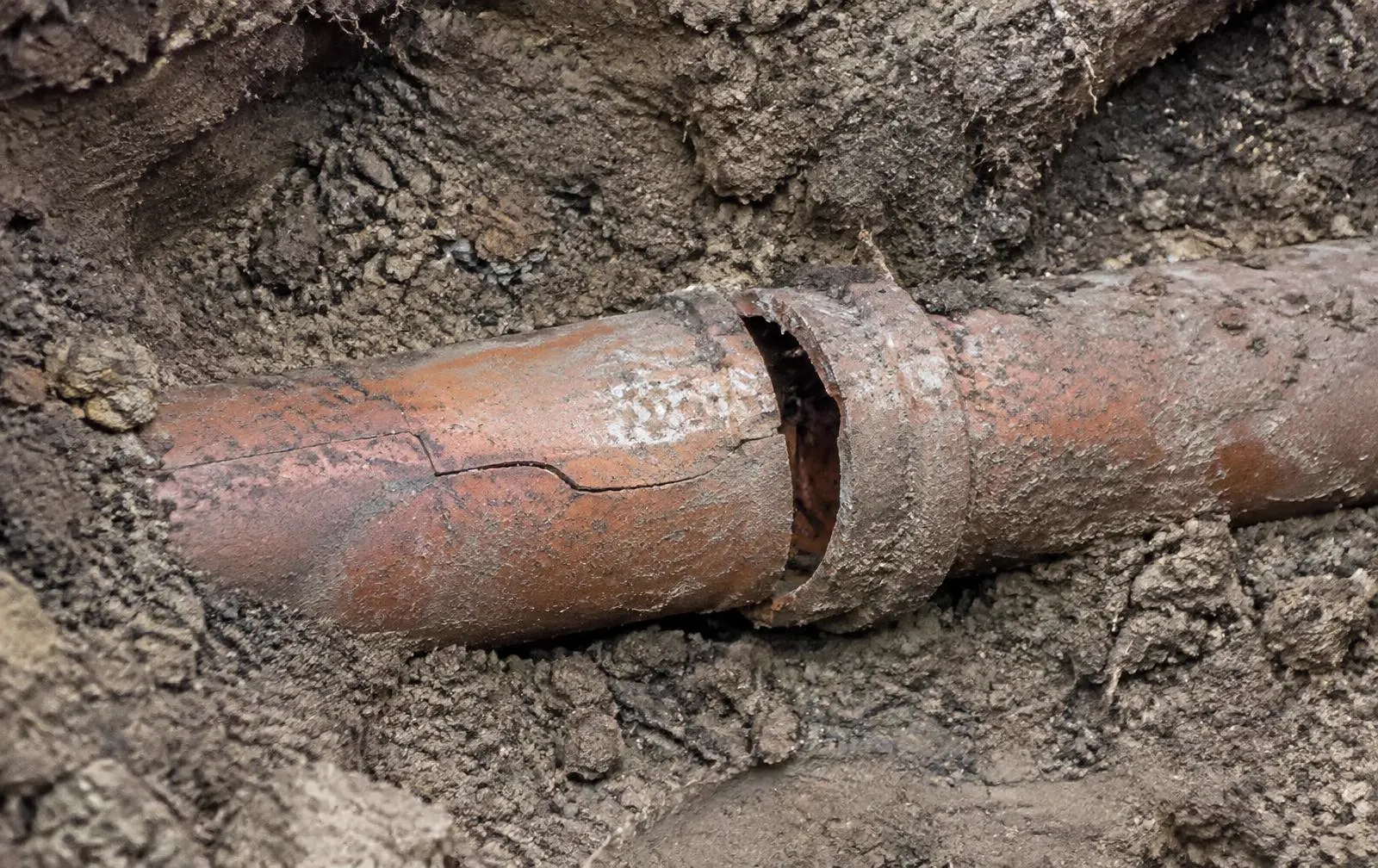
What can damage drainage pipework?
Drains are buried for decades. Over that time, several things can affect them.
Age and material
Older clay and pitch fibre pipes can crack, deform or lose their joints over time.
Ground movement
Settlement, subsidence or nearby works can shift or crack pipework.
Root ingress
Roots entering through joints can widen cracks and displace sections.
Surface loading
Heavy vehicles or construction over a shallow drain can cause damage.
Recognise the problem
Signs that may justify investigation
These can point to damage — but they can also have simpler causes. None of them proves the pipe is damaged.
- 01
Recurring blockages
A defect can catch debris, causing the same drain to block repeatedly.
- 02
Leakage or damp
Unexplained damp near a drain run, or water escaping where it should not.
- 03
Ground movement signs
Dips, sinking paving or soft ground along the line of a drain.
- 04
Persistent smells
Odours escaping through a crack or displaced joint.
- 05
Root ingress
Roots in a drain usually mean there is an opening for them to get through.
How damage is confirmed
Evidence before any repair
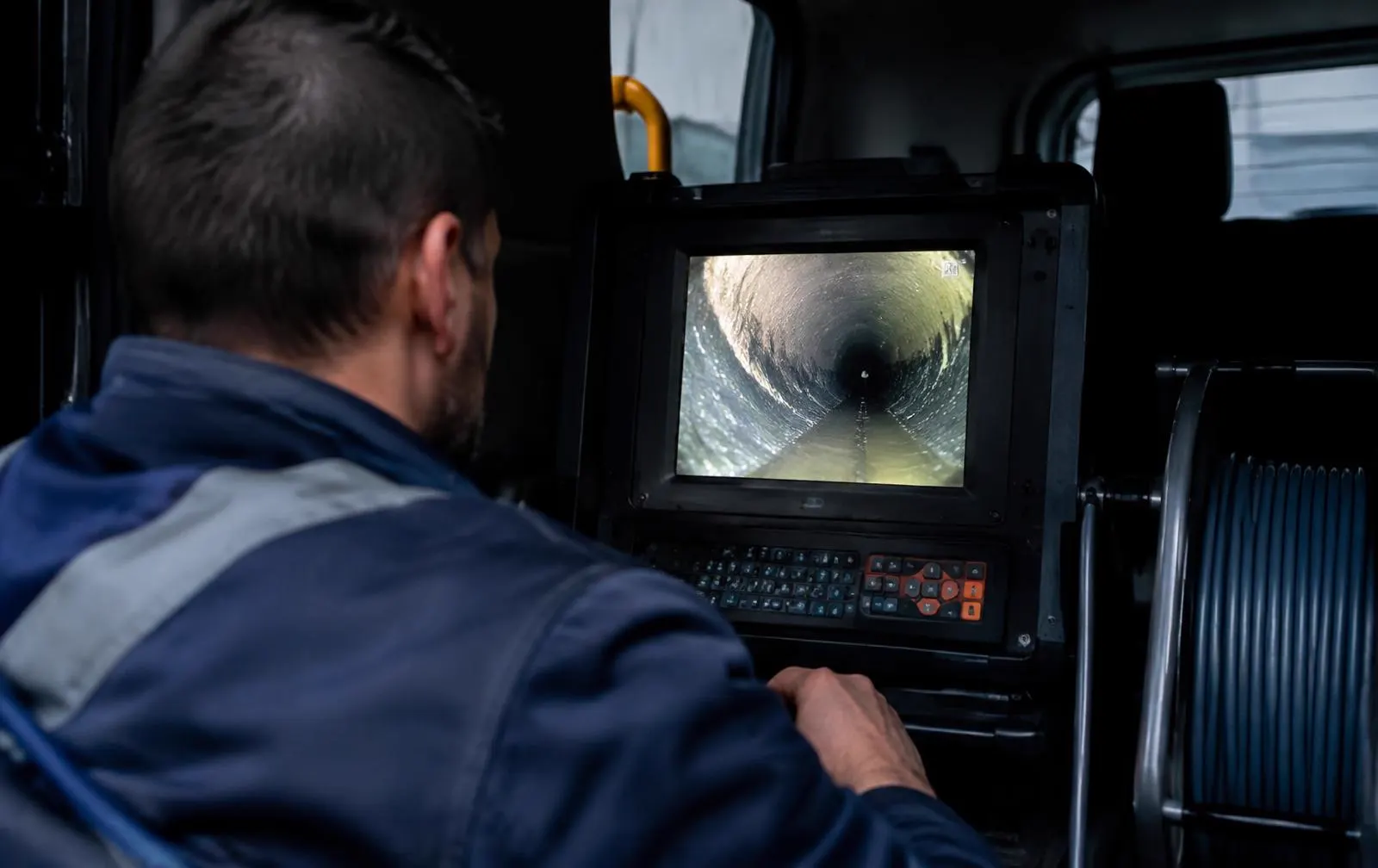
Pipe damage is confirmed by looking inside the pipe. A CCTV survey shows cracks, displaced joints, deformation, root ingress and collapsed sections — and exactly where they are.
That evidence decides what kind of repair is appropriate, how much of the pipe needs it, and whether it can be done without digging.
Repair depends on what is found
Matching the repair to the damage
There is no single repair for every defect — the right option depends on the pipe, the damage and its location.
- 01
Drain repairs
Diagnosis first, then the right repair — from a local fix to replacing a damaged section.
Localised & structural damage
- 02
Pipe relining
A resin liner repairs suitable cracks and joint defects from within, without excavation.
No-dig, where suitable
- 03
Pitch fibre repair
Pitch fibre pipes can deform with age; assessment decides between repair, relining or replacement.
Older pitch fibre pipework
No-dig versus excavation
Both have their place
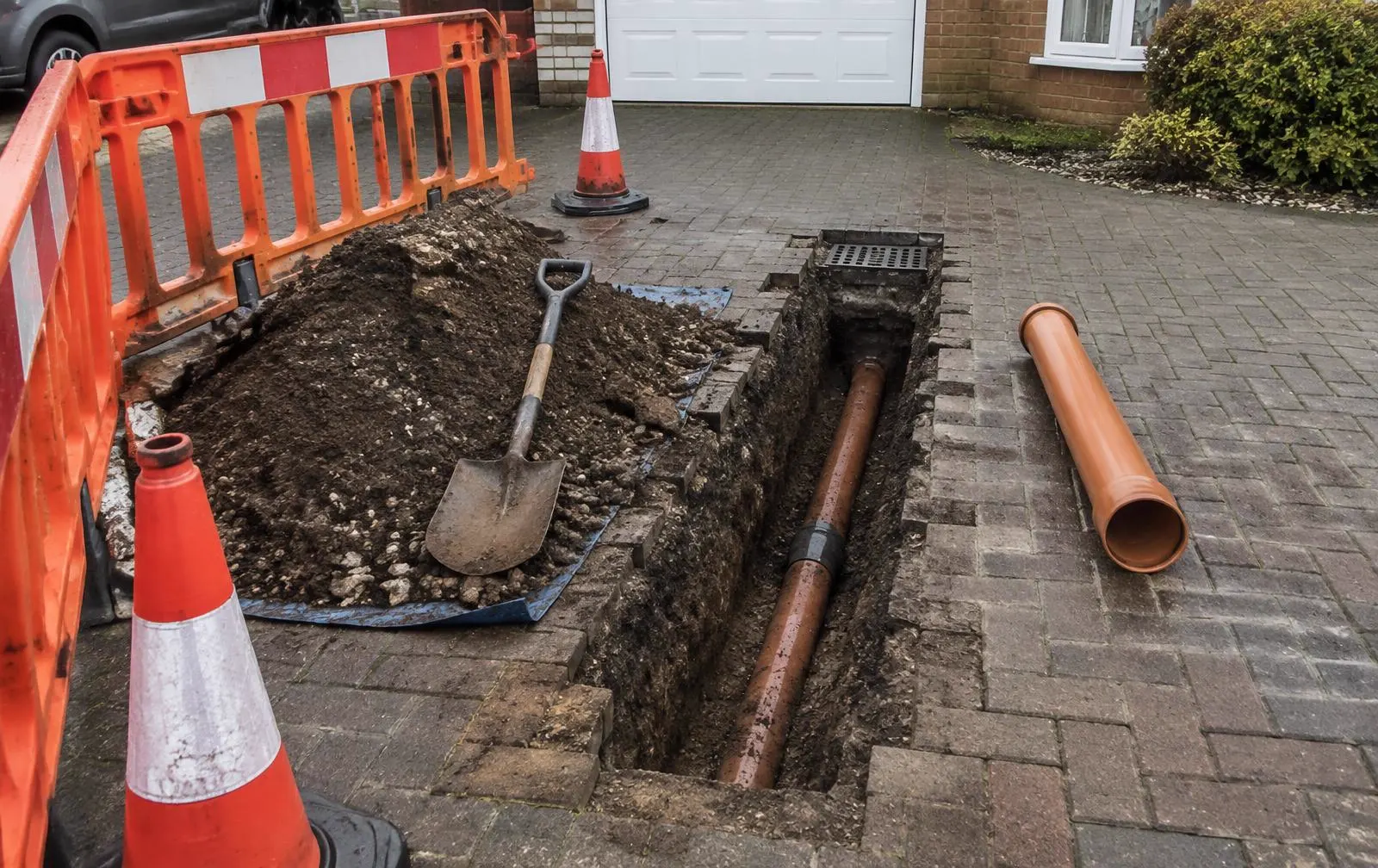
No-dig repairs such as relining work from inside the pipe, so they can avoid disturbing driveways, patios and gardens. They suit many cracks and joint defects — but not every situation.
Where a pipe has collapsed, is badly deformed, or the defect is not suitable for a liner, excavating and replacing the section may be the right answer.
The inspection tells us which applies, and we explain the options and quote before any work begins.
Common questions
Damaged pipe questions
Get a quote
Tell us what you’ve noticed.
Your problem is already selected — just add your postcode and details.