Problem guide
Slow Drains
Water that drains more slowly than it used to — in a sink, shower, bath or outside gully — can be an early sign that flow is restricted somewhere in the system.
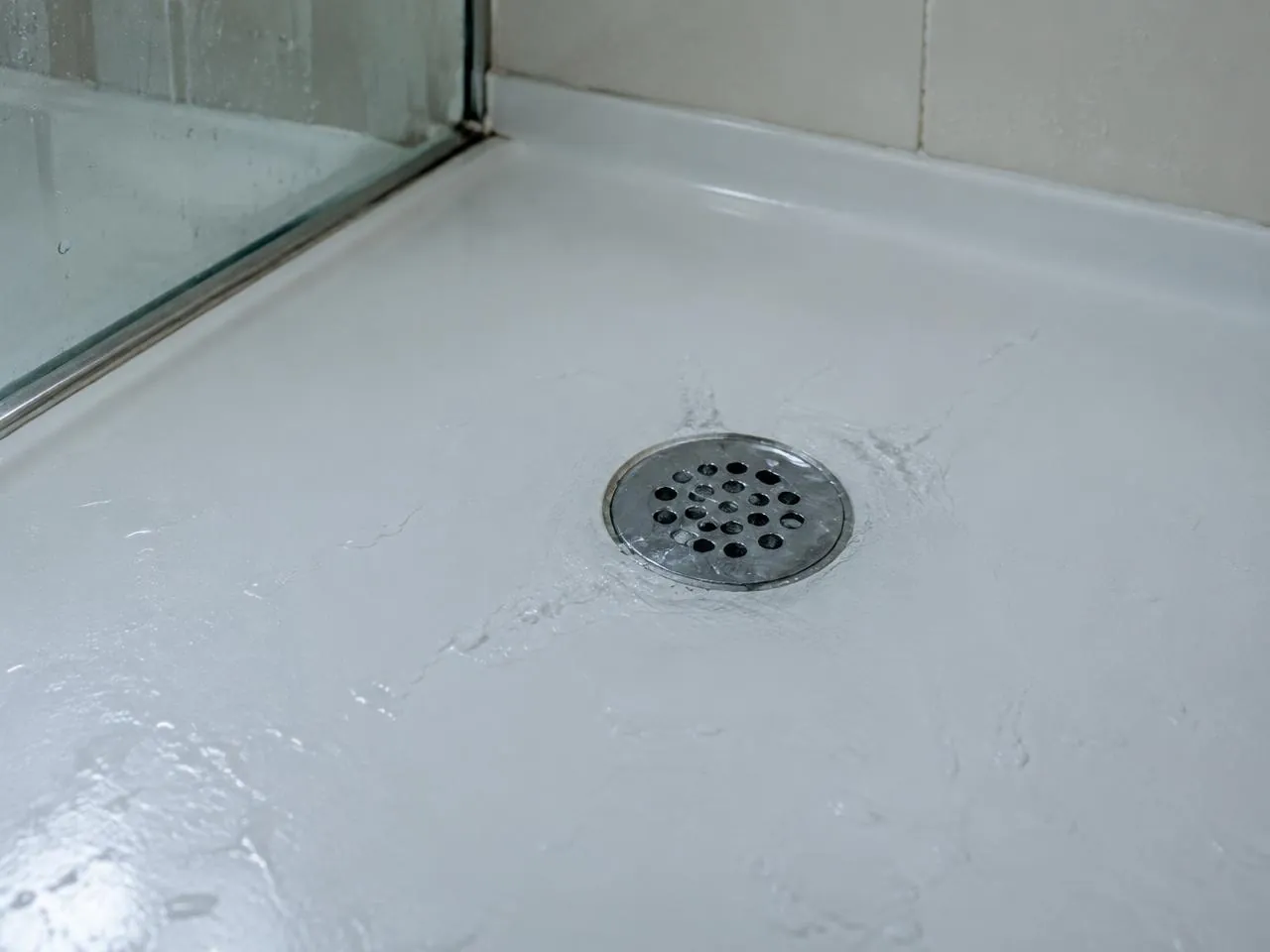
Recognise the problem
What slow drainage can look like
Slow drainage is easy to live with — which is exactly why it often gets worse before it gets attention.
- 01
Water pooling in the shower
Ankles in water by the end of a shower, or a tray that empties slowly afterwards.
- 02
A bath that takes ages to empty
Especially if it used to drain quickly.
- 03
A sink that swirls but lingers
Water drains, but noticeably slower than it should.
- 04
A gully that fills when it rains
Outside drains that cope less well than they used to.
- 05
Gurgling after draining
Air being displaced past a partial restriction.
Possible causes
Common possible causes
Slow drainage does not mean a failure is imminent — but it does mean something is worth understanding.
Hair and soap build-up
The usual cause in showers and baths, collecting in the trap and waste pipe.
Grease and food debris
The usual cause in kitchen sinks, coating the inside of the pipe.
Scale and silt
Gradual accumulation that narrows the pipe, especially in older drainage.
A partial blockage downstream
A restriction further along the run that slows everything upstream of it.
Roots or a defect
Less commonly, root ingress or a damaged section catching debris — more likely if the problem keeps returning.
A single slow fixture is usually a local issue. Several slow fixtures at once can indicate a restriction in the shared drainage run.
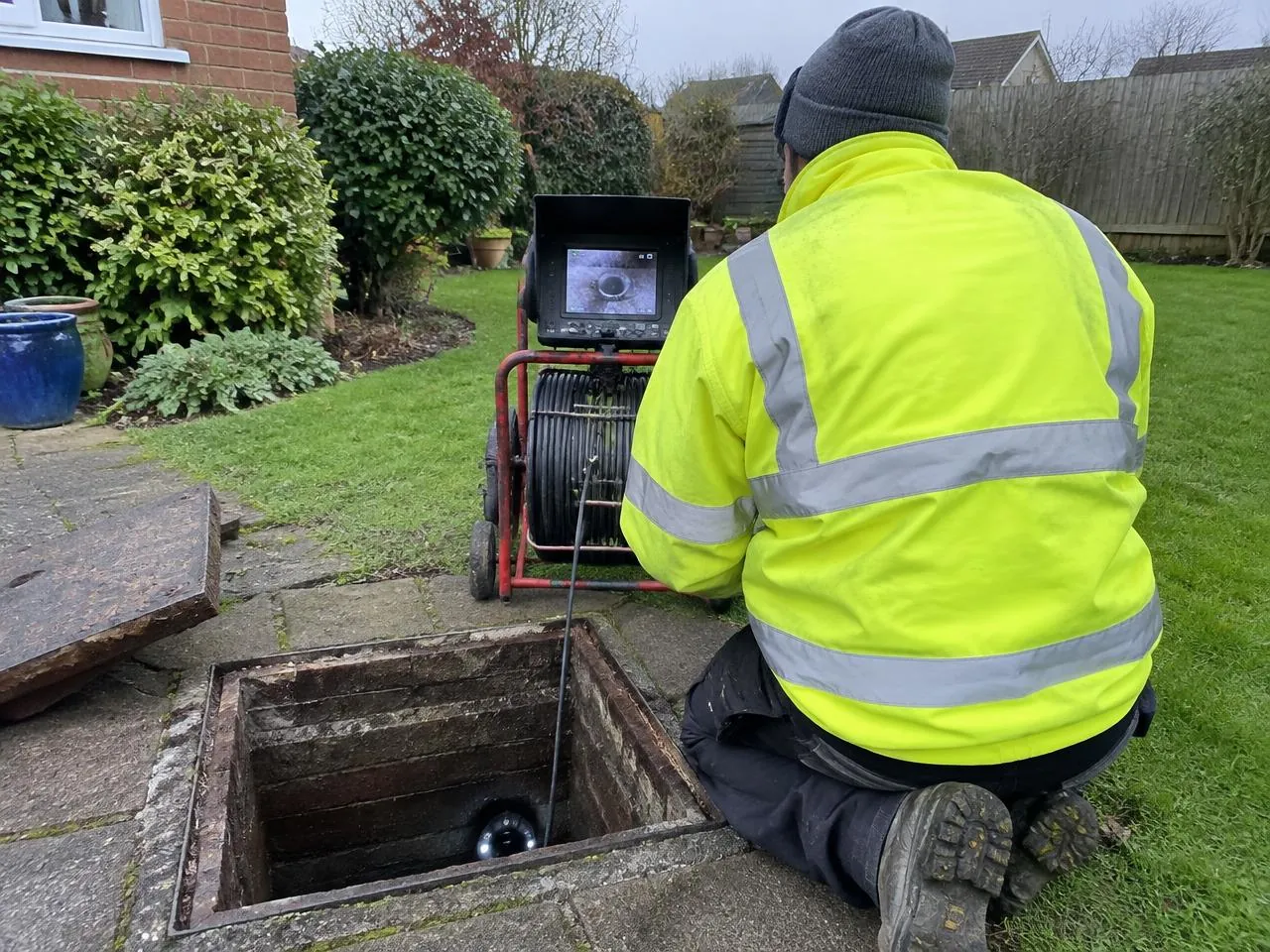
One drain or several?
Why the number of affected fixtures matters
If one sink or shower is slow and everything else is fine, the cause is usually close to that fixture — a trap or waste pipe that needs cleaning.
If several fixtures are slow at the same time, or using one affects another, the restriction is more likely to be in the shared pipework or the main drain run. That is a different scale of problem, and it is worth investigating before it becomes a full blockage.
Either way, the pattern of symptoms helps narrow down where to look — tell us what you have noticed and we can advise on the next step.
Related services
Services that may be relevant
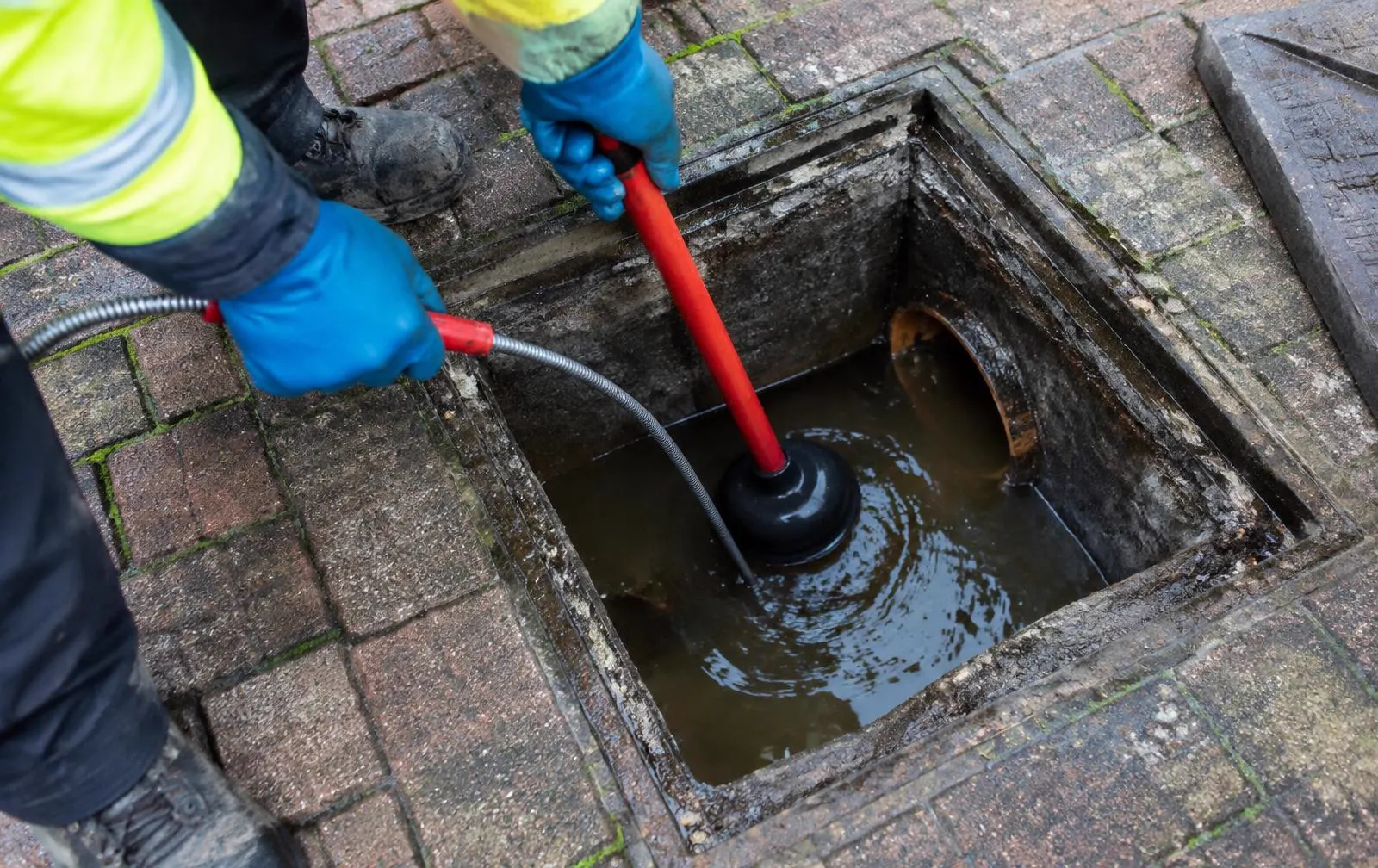
Drain Unblocking
Clearing the restriction and restoring normal flow.
Explore Service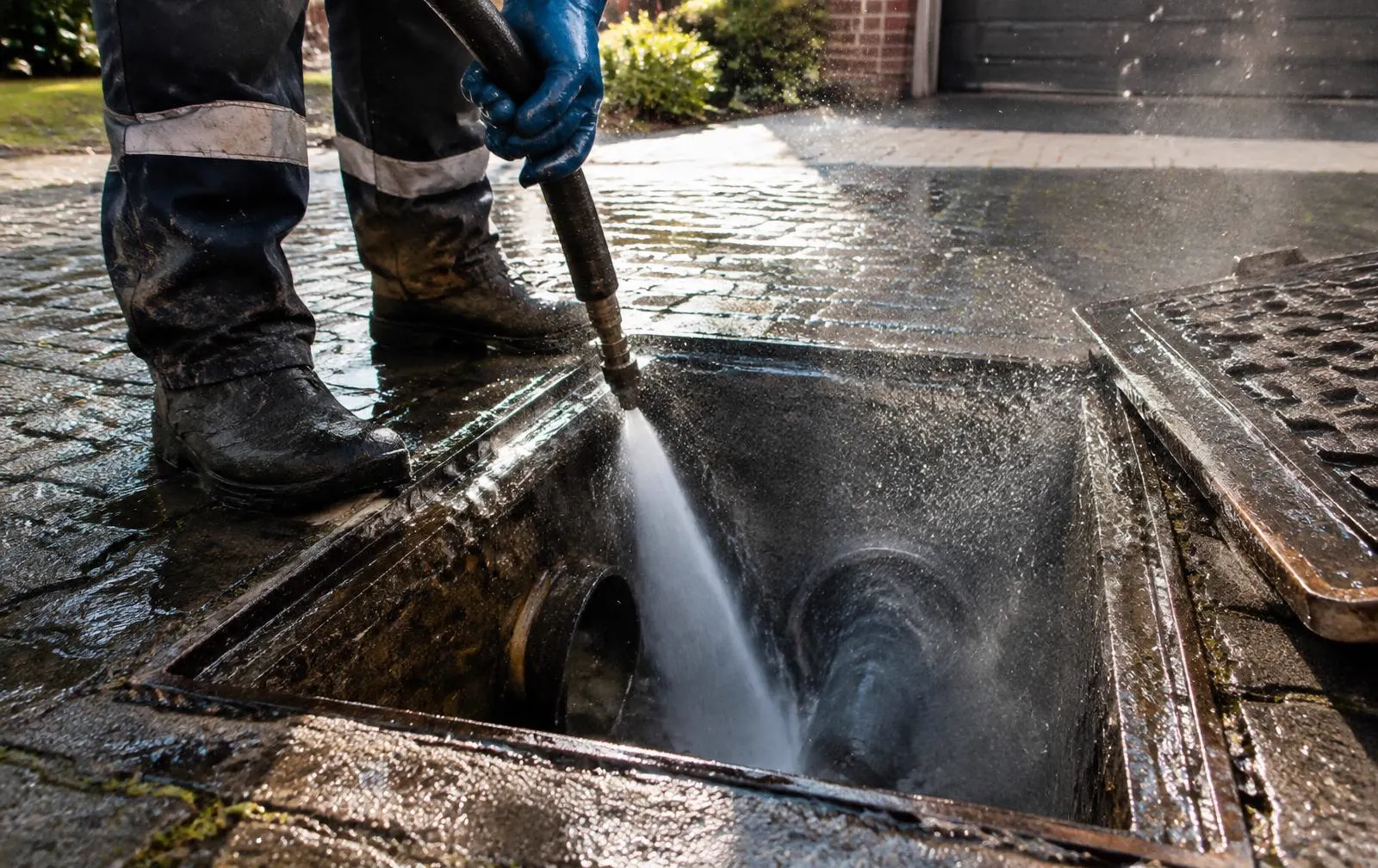
Drain Jetting
A thorough full-bore clean where build-up has narrowed the pipe.
Explore Service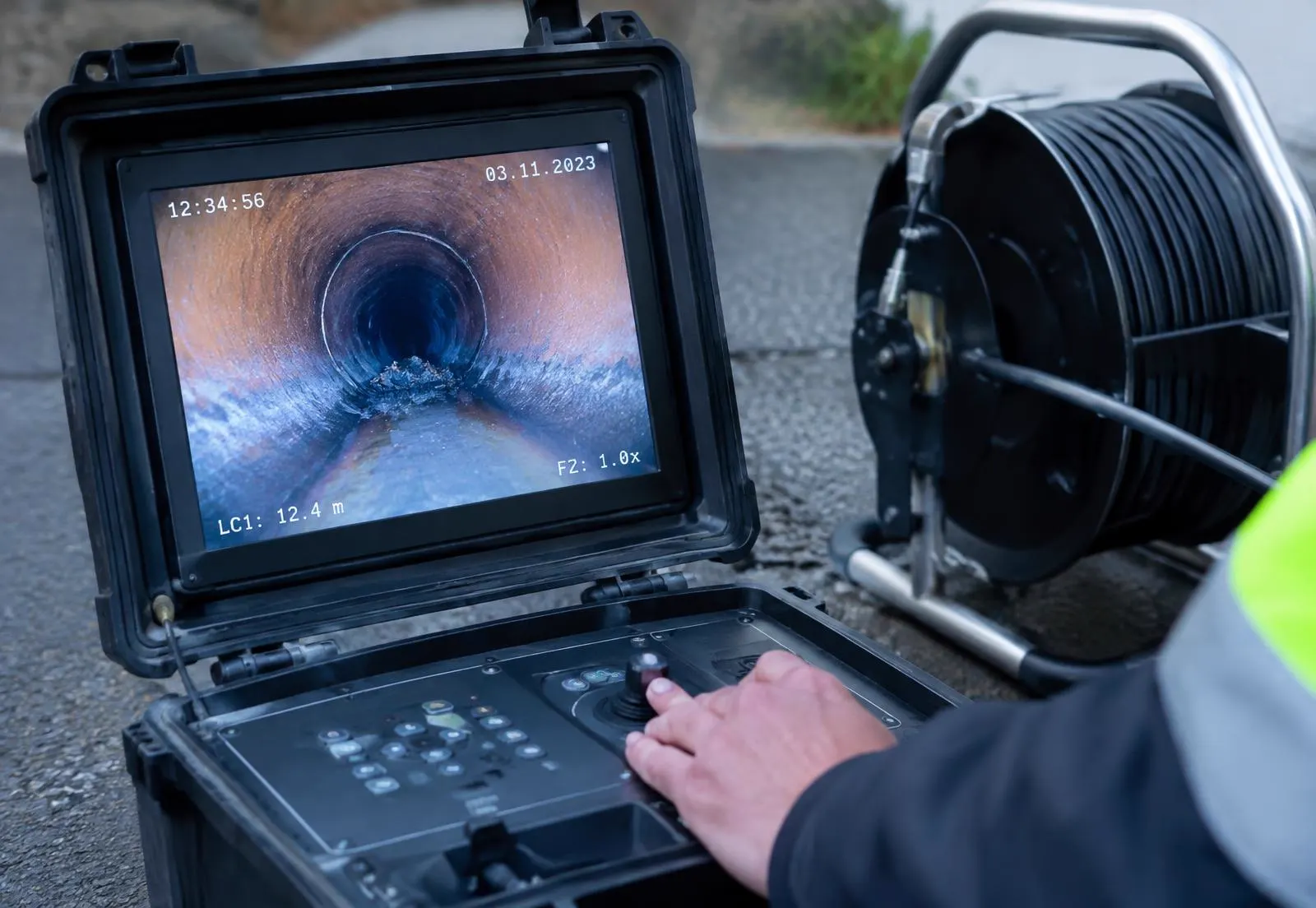
CCTV Drain Surveys
Camera inspection when slow drainage keeps returning.
Explore Service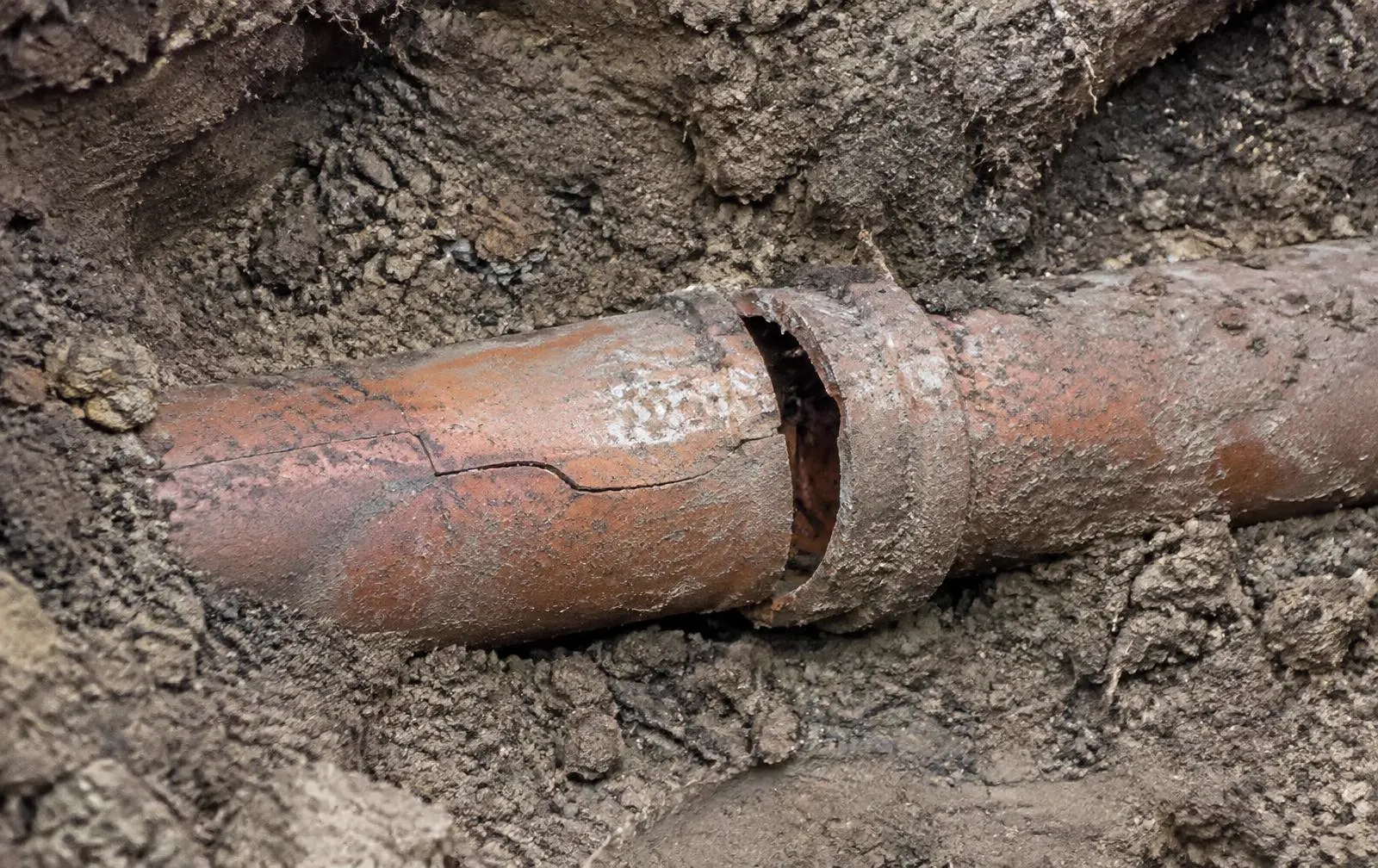
Drain Repairs
If investigation shows a defect is causing the restriction.
Explore Service
Common questions
Slow drain questions
Next step
Need the drain cleared?
If build-up or a partial blockage is slowing things down, our Drain Unblocking service can clear it and restore the flow.
Get a quote
Tell us about the slow drainage.
Your problem is already selected — just add your postcode and details.